This would not have been possible without the support of the many organisations and individuals responsible for driving positive change in the canola industry. The knowledge and expertise shared in this book serves as an enduring record of the research and innovation that helped to shape the Australian canola industry and wilt be crucial to the continuing success of the industry. We hope you find it a valuable and informative resource.
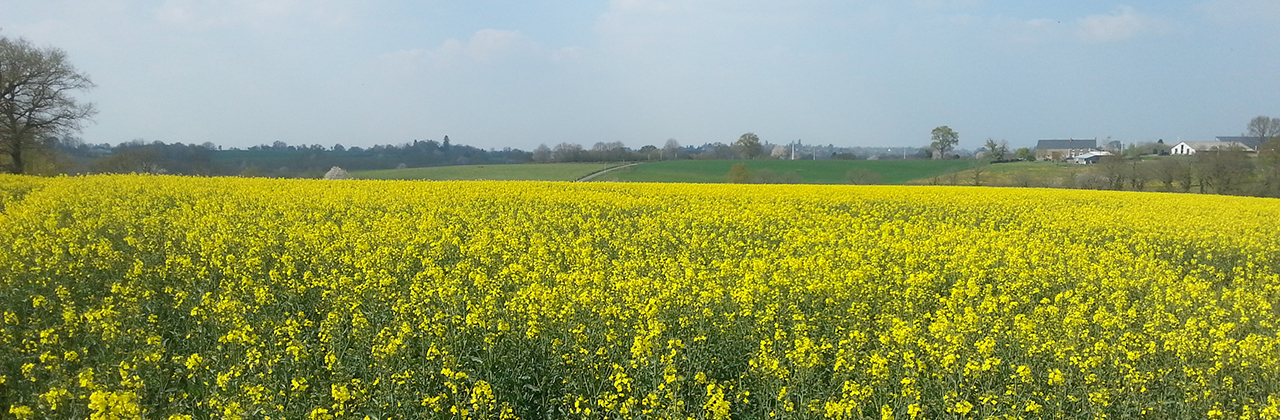
Canola is widely grown in south-east Australia and Western Australia (WA) in regions with >325 mm annual rainfall, however quick maturing lines and evolving farming systems have increased production in lower rainfall areas.
Canola has secured a place in Australian cropping systems comprising 14% of the total crop area nationally and 25% of the cropped area of NSW and Victoria, including high rainfall regions. In WA's northern region and the Mallee/sandplain near Esperance, canola has increased substantially.
Recognised as a profitable crop in its own right, canola is also an important rotation crop in cereal-dominated systems. Even though canola has been considered a somewhat riskier crop compared with cereals, early sowing, improved varieties, better blackleg control and additional weed control options have enabled the crop to become the third largest annual crop in Australia, after wheat and barley. Current production systems that target optimum flowering periods utilising early sowing, hybrids and increased nitrogen rates are proving profitable in low, medium and high rainfall areas.
Enjoy your reading!